Vinyl Records vs CDs: Which Is Better for Music Lovers and Collectors in 2026?
Vinyl records vs CDs is a debate that has been going on for decades. While streaming has become the easiest way to listen to music, physical music formats are far from disappearing. Vinyl records have experienced a remarkable revival, while CDs remain an excellent choice for listeners and collectors who want physical ownership without the maintenance associated with records.
So, which is better: vinyl or CD?
The honest answer is: it depends on what you value most.
If you love large album artwork, the ritual of playing a record, collecting special pressings, and the character of analog playback, vinyl may be the right choice. If you prefer consistent playback, excellent sound quality, portability, and usually lower prices, CDs have plenty to offer.
Let's take a closer look at the differences between vinyl records and CDs and help you decide which format belongs in your collection.
Vinyl Records vs CDs at a Glance
FeatureVinyl RecordsCDsSoundWarm, physical and distinctiveClean, detailed and consistentListening experienceHands-on and immersiveSimple and convenientAlbum artworkLarge and highly collectibleSmallerMaintenanceRequires cleaning and careful handlingRelatively low maintenanceDurabilityCan wear or scratchMore resistant to normal handlingEquipmentTurntable, cartridge and phono setupCD player or compatible systemCollectingStrong focus on pressings, editions and artworkStrong focus on editions, rarity and conditionPortabilityLowRelatively highSpace requiredMoreLess
Why Are Vinyl Records So Popular Again?
Vinyl's comeback is one of the most interesting developments in modern music culture.
According to the IFPI's Global Music Report 2026, physical music revenues increased by 8% in 2025, while vinyl revenues grew by 13.7% globally. Vinyl also recorded its 19th consecutive year of growth.
But vinyl's appeal isn't only about sound.
For many music lovers, buying a record is an experience.
You can hold the album, examine the artwork, read the credits, place the record on a turntable, lower the stylus and listen to an album from beginning to end.
That physical interaction creates a relationship with music that can feel very different from selecting a song on a streaming application.
1. Vinyl Makes Albums Feel Like Collections
A vinyl record is more than an audio format.
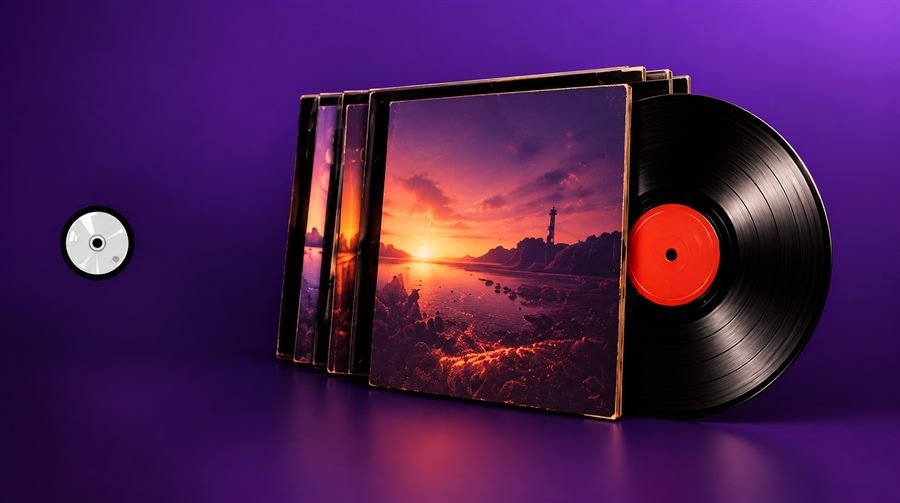
The large sleeve gives artists an opportunity to present their music visually. Classic album covers can become pieces of art in their own right.
For collectors, this makes vinyl particularly appealing.
A great record collection can also tell a story about the owner's musical taste—from classic Bollywood and Indian film music to rock, jazz, pop, electronic music and international releases.
2. Vinyl Encourages Focused Listening
Streaming makes it incredibly easy to skip songs.
Vinyl naturally encourages a different habit.
You choose a record, put it on, and listen. When Side A finishes, you turn it over and continue with Side B.
For many collectors, that small ritual makes listening to an album feel more intentional.
3. Vinyl Has a Unique Character
People often describe vinyl as having a "warm" or "analog" sound.
However, it is important not to claim that vinyl is automatically superior to digital formats.
The final sound depends on many factors, including the mastering, pressing quality, condition of the record, cartridge, turntable setup, speakers and listening environment.
In other words, a great vinyl pressing can sound fantastic, but vinyl isn't automatically better simply because it is analog.
Are CDs Better Than Vinyl?
For some listeners, absolutely.
The compact disc was designed to provide high-quality digital audio in a small, durable physical format. A standard CD uses 16-bit/44.1 kHz digital audio, and its playback is generally consistent when the disc and player are in good condition.
Unlike vinyl, CDs don't require a stylus, cartridge alignment or regular record cleaning.
Put the disc in the player, press play, and you're ready to listen.
1. CDs Are Convenient
If convenience matters to you, CDs have a major advantage.
They take up considerably less space than LPs, are easier to store and are simpler to handle.
For someone building a large collection, this can make a significant difference.
2. CDs Offer Consistent Playback
A clean CD played on a good player can deliver remarkably consistent results.
There is no surface noise from a record groove and no need to worry about tracking force, stylus alignment or dust affecting playback in the same way.
Of course, scratches and disc damage can still affect a CD.
3. CDs Can Be Excellent for Collectors
Don't assume that only vinyl collectors are serious collectors.
CDs can also become valuable and interesting collectibles.
Collectors may look for:
For music lovers interested in discovering music from different eras, CDs can offer an enormous catalog in a relatively compact format.
Vinyl vs CD Sound Quality: Which Sounds Better?
This is probably the most debated question.
The answer isn't as simple as "vinyl sounds better" or "CD sounds better."
From a technical perspective, CDs provide greater measurable dynamic range and lower noise and distortion than typical vinyl playback. Vinyl also introduces physical limitations and playback variables.
But technical specifications don't completely explain why people enjoy one format over another.
The Mastering Matters
One of the biggest factors people overlook is mastering.
The same album can receive different mastering for vinyl, CD and digital releases.
That means you could compare a particular vinyl pressing with a particular CD and hear a significant difference—but the difference may be caused partly by the mastering rather than the format itself.
This is why experienced collectors often research the specific pressing or edition, rather than simply asking whether vinyl is better than CD.
Which Is Better for Collecting: Vinyl or CD?
If collecting is your main goal, vinyl has several advantages.
The larger artwork, physical presence and variety of pressings make records particularly attractive as collectible objects.
However, CDs can be an excellent collecting format too—especially if you're interested in rare releases, international editions, older catalogs or finding albums at more accessible prices.
Choose Vinyl If You:
Love album artwork
Enjoy the ritual of playing records
Want a visually impressive collection
Enjoy hunting for different pressings
Appreciate vintage music culture
Don't mind maintaining your records and equipment
Want your music collection to be part of your living space
Choose CDs If You:
Want convenient physical music
Prefer consistent playback
Have limited storage space
Want to build a large collection efficiently
Prefer lower-maintenance physical media
Enjoy finding rare or out-of-print editions
Want easy access to older catalogs
Is Vinyl Worth Buying in 2026?
For many music lovers, yes.
Vinyl's continued growth suggests that it is not simply a short-lived nostalgia trend. Global vinyl revenues increased 13.7% in 2025, according to IFPI.
In the United States, vinyl revenue surpassed $1 billion in 2025, with 46.8 million vinyl units sold, according to the RIAA.
But buying vinyl makes the most sense when you enjoy the format itself.
If you're only interested in getting the highest number of songs for the lowest possible cost, streaming will usually be more practical.
If you want to own an album, display it, explore different editions and experience the physical ritual of listening, vinyl can be incredibly rewarding.
Is Buying CDs Still Worth It?
Definitely.
The CD is sometimes overlooked because of vinyl's popularity, but it remains a practical physical format.
A CD collection can give you something streaming doesn't: ownership of a physical copy of an album.
It can also be a smart choice for collectors who want to discover large catalogs without spending as much money or physical space as a vinyl collection may require.
And because many older CDs are no longer in mainstream production, certain releases can become interesting collector's items.
Should You Collect Vinyl or CDs?
You don't necessarily have to choose one.
In fact, building a collection that combines vinyl records and CDs can be one of the best approaches.
You might buy your favorite albums on vinyl because you love the artwork and listening experience, while collecting CDs for albums that are difficult to find on vinyl or available at a better price on CD.
This approach also allows you to explore different eras of physical music.
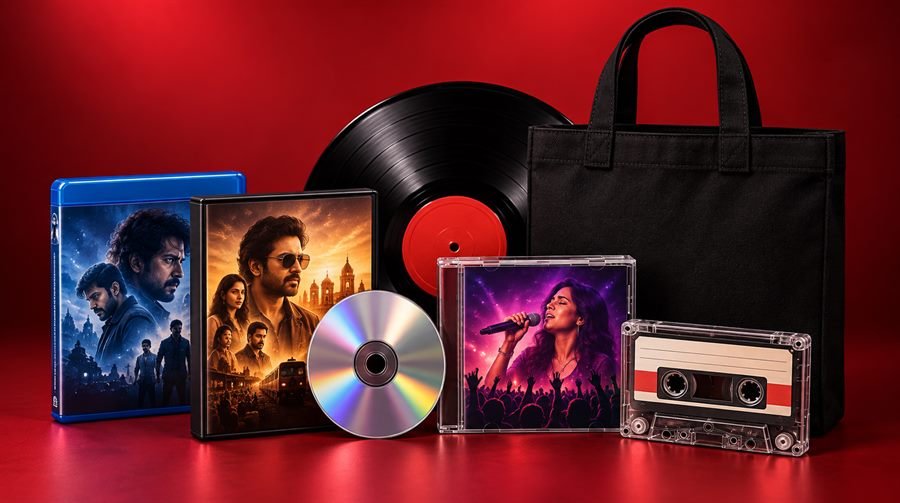
For example, a collection could include:
Classic Bollywood vinyl records
Rare Indian film music
International rock albums
Jazz LPs
Pop CDs
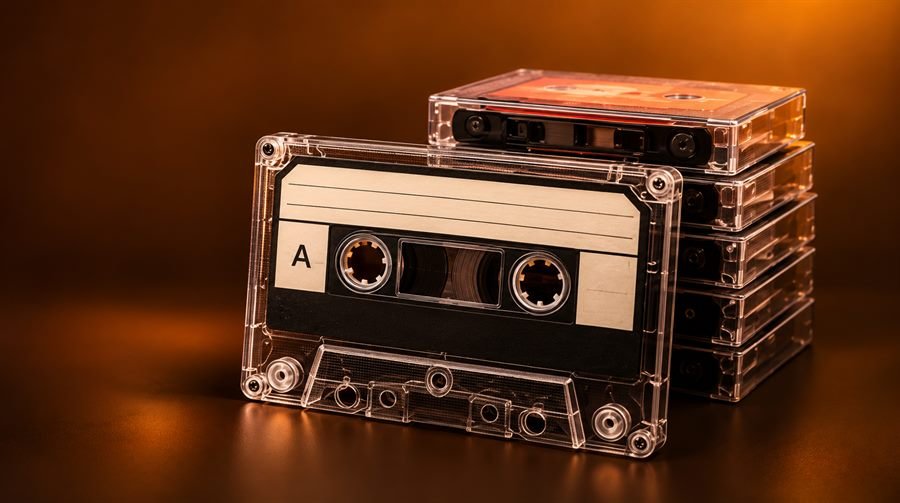
Vintage cassette releases
Limited-edition box sets
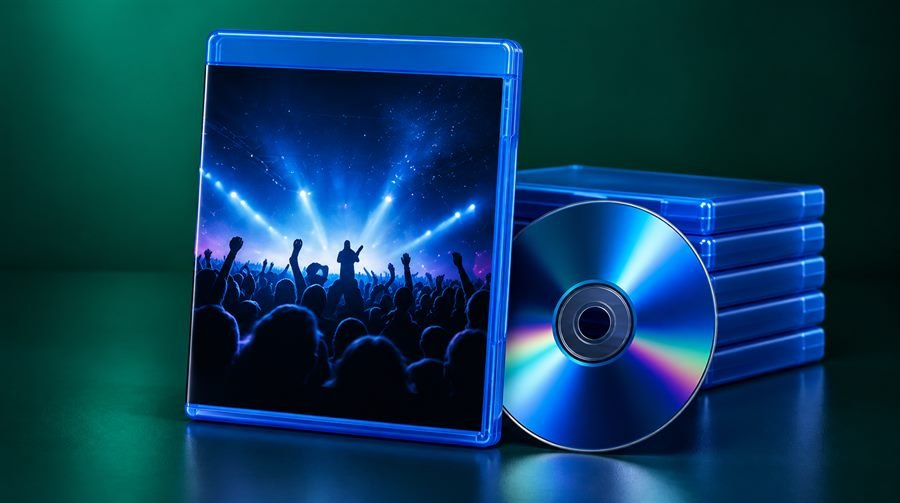
Blu-ray music releases
The best music collection is ultimately the one that reflects your taste and your relationship with music.
Vinyl vs CD: The Verdict
So, which is better—vinyl records or CDs?
There is no universal winner.
Vinyl is better for the experience.
It offers large artwork, physical interaction, collectible editions and a distinctive listening ritual.
CDs are better for convenience.
They are compact, relatively easy to maintain, provide consistent digital playback and can offer excellent value for collectors.
And for serious music lovers, the best answer may be both.
The resurgence of physical music shows that listeners still value more than simply pressing play. Whether you choose a vintage vinyl record or a carefully preserved CD, physical music gives you an opportunity to own a piece of music history.
At Velorex Music, discovering music isn't just about listening to songs. It's about discovering albums, artists, formats and pieces of music history that you can actually keep.
Explore the world of physical music and start building a collection that reflects your taste.
Frequently Asked Questions
Is vinyl better than CD?
Not necessarily. CDs generally offer greater technical fidelity, while vinyl provides a different listening experience that many collectors enjoy. The quality of the specific mastering, pressing and playback equipment can have a major impact.
Do vinyl records sound better than CDs?
It depends on the specific release and your playback system. A high-quality vinyl pressing can sound excellent, but CDs generally have lower noise and distortion and greater measurable dynamic range.
Is vinyl still popular in 2026?
Yes. Global vinyl revenues grew 13.7% in 2025, according to IFPI, marking the format's 19th consecutive year of growth.
Are CDs still worth collecting?
Yes. CDs remain a practical physical format and can be particularly interesting for collectors looking for rare editions, out-of-print releases, international pressings and older music catalogs.
Should beginners start with vinyl or CDs?
If you enjoy the ritual and collecting aspect of music, vinyl can be a great starting point. If you want something simpler and more affordable to maintain, CDs may be the better starting point.
Can you collect both vinyl and CDs?
Absolutely. Many collectors maintain mixed collections based on the availability, edition, price and personal significance of each album.