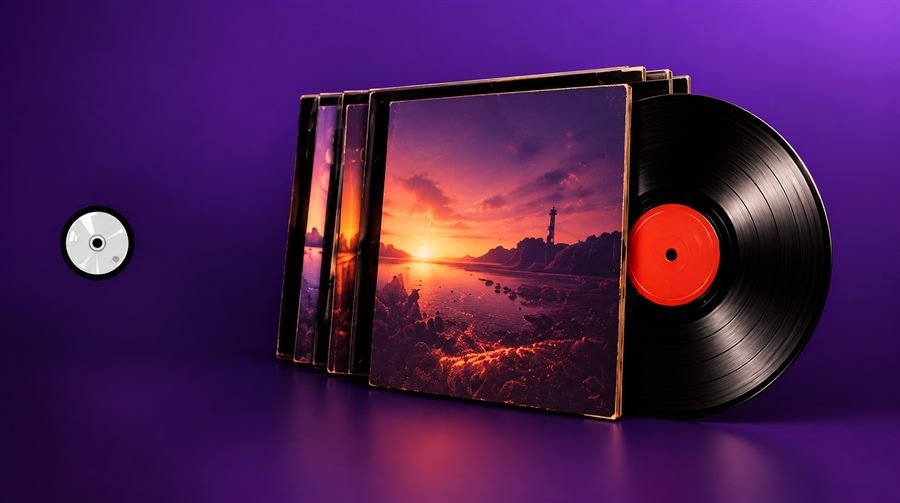
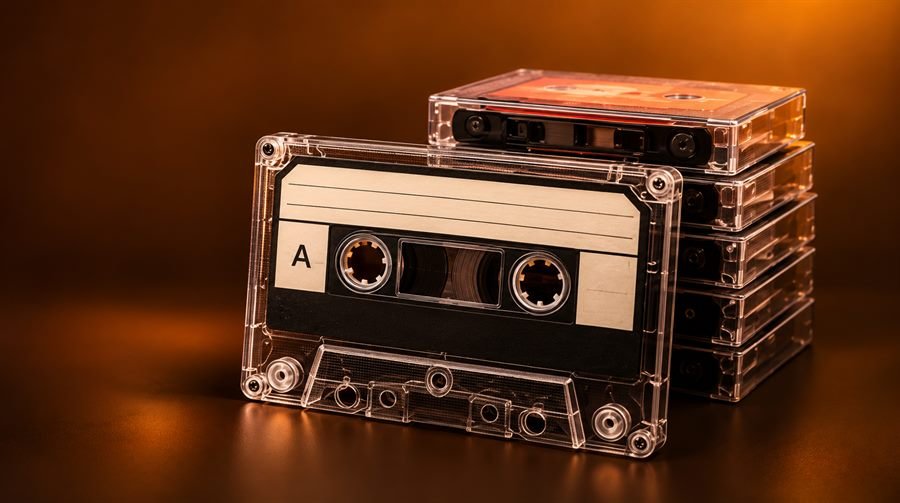
• 5 Formats Vinyl to Blu-ray
  • 100% Genuine Hand-checked stock
  • Pan-India Tracked delivery
  • Secure Checkout UPI, cards & netbanking

Discover music from the industry's leading labels

  • T-Series
  • Saregama
  • Sony Music
  • Universal Music Group
  • Tips Music
  • Zee Music Co.

🔥 Best Selling

Our most popular picks this month

View All →

✨ New Releases

Fresh arrivals just landed in our store

View All →

Upcoming

Pre-order before they're gone

Our shelf

About Velorex Music

An online record store for India, built around Hindi film music on vinyl — soundtrack LPs from R. D. Burman, Laxmikant–Pyarelal, Nadeem–Shravan, Anu Malik and A. R. Rahman, new pressings and hand-checked pre-owned copies alike.

Every listing shows its label, year and track listing, and orders ship across India with tracking.

New to collecting? Read the Velorex Journal The Evolution of Music & Audio How shipping works

Feel the music More than music Care · Preserve · Play

All Products

Wear the music. Live the vibe.

Keep the music alive. Care for what you love.

Rediscover timeless melodies. Explore our curated collection of records, CDs, cassettes and films from legendary artists and iconic films.

    • Pan-IndiaShipping
    • Original& Official
    • Music InspiredLifestyle
    • Cleaner SoundRemove dust & dirt
    • Longer LifeProtect your collection
    • Better ExperienceMusic as it should be

    Showing all products

    Product Details

    Composer

    Page not found

    The page you were looking for has moved or no longer exists.

    Better together

    Combo Offers

    Bundles we put together because they belong together — a record and the kit to keep it clean, or two timeless favourites from the same era.

    • Great ValueOne click, whole set
    • Curated SetsHandpicked combinations
    • Authentic & GenuineQuality you can trust
    Great music lives on

    Pre-owned

    Second-hand vinyl, CDs, cassettes, Blu-rays and DVDs — every copy checked and graded before it ships.

    • Quality CheckedEvery item inspected
    • Safe PackagingShips with care
    • Sustainable ChoiceMore music, less waste

    The story of music technology

    A Journey Through Music & Machines

    From the earliest recording devices to today's streaming world, discover how the machines and formats we use to experience music have evolved.

    1877 – todayThe span
    Cylinder to streamThe journey
    Sourced & citedEvery claim
    Before the playlist

    Remember When Music Felt Different?

    Before streaming, listening was an activity rather than a background condition. It had steps, and the steps were part of it.

    • You chose a record.
    • You cleaned it.
    • You placed the needle.
    • You adjusted the amplifier.
    • You pressed play on a cassette.
    • You waited for the radio.
    • You built a CD collection, one at a time.

    These machines didn't just play music. They sat in particular rooms, in particular years, and they ended up carrying the memory of whatever was happening while they played.

    Music Changes. The Memories Stay.

    Every format on this page was once the newest thing there was, and every one of them was replaced. What has not changed in a hundred and fifty years is the part underneath: the wish to hear something again, to keep it, and to play it for somebody else.

    Explore Music at Velorex
    Tape arrives

    Reel-to-Reel

    1935 onwards

    Before tape, a recording was a performance cut directly to disc: whatever happened, happened. Tape made a recording something you could cut, join, copy and build up in layers — which changed not just how records were made, but what a record could be.

    Origin

    The German manufacturer AEG showed the Magnetophon, a high-fidelity reel-to-reel recorder, at the Berlin radio exhibition in 1935. It was used heavily by German and French broadcasters through the following decade.

    American engineers encountered the technology at the end of the Second World War. Ampex developed it commercially, and its Model 200A entered regular US broadcast service at ABC in Chicago on 25 April 1948.

    Radio wanted it for a practical reason before an artistic one: a programme recorded on tape could be broadcast later, at a quality indistinguishable from live.

    How it worked

    The tape carries a coating of magnetic particles. A record head produces a magnetic field that varies with the audio signal, and as the tape passes it, that pattern is frozen into the particles.

    Playback is the same in reverse: the magnetised tape moving past a play head induces a small voltage that follows the original signal. An erase head simply scrambles the pattern back to nothing.

    Faster tape means more physical space per second of sound, which is why professional machines ran at high speeds and why speed is quoted in inches per second.

    What it made possible

    You can cut tape with a blade and join it with adhesive. That one property created editing — the best take of a verse joined to the best take of a chorus — and with it the idea that a record is assembled rather than captured.

    Multitrack recording followed, and with it overdubbing: a musician playing along with themselves. Effects like tape echo and flanging come directly from the physical behaviour of tape and were discovered by people playing with the machines.

    Then and now

    The cassette took tape to consumers by hiding the reels; open reel stayed professional and enthusiast. Digital recording eventually replaced it for production work.

    It survives because of what it does to sound. Tape saturates gently rather than clipping harshly when pushed, and that particular kind of gracefulness is still sought out deliberately.

    Names that mattered

    Listed because of what they did, not as recommendations. Velorex Music did not make any of these.

    AEGShowed the Magnetophon in 1935, the machine the whole industry descends from.
    AmpexThe Model 200A put tape into American broadcasting in 1948; Bing Crosby was an early investor.
    Akai, TEAC, RevoxMade open-reel decks a realistic thing to own at home in the 1960s and 1970s.

    Did you know?

    • ABC ran twelve Ampex 200A machines up to eighteen hours a day and reported about three minutes of downtime across a year.
    • Bing Crosby wanted tape so he could pre-record his radio show rather than perform it twice for different time zones.
    • Tape is why "cut" and "splice" are still studio verbs long after any blade stopped being involved.
    • A reel of tape reveals its own contents — you can see how much programme is left.

    Remember this?

    Open reel is the format that looks like what it does. The tape is visible, the reels turn at a speed you can watch, and when it plays you can see exactly how much of the music is still to come.

    Sources & further reading

    Written from these sources, not copied from them. External links open in a new tab.

    From the record room

    Velorex Journal

    Notes on vinyl, Hindi film music and the records worth collecting.

    Article

    🛒 Shopping Cart

    👤 My Profile

    Order History

    🔐 Welcome Back

    Sign in to your Velorex Music account

    Don't have an account? Create one

    ✨ Create Account

    Join Velorex Music and start collecting

    Already have an account? Sign in

    🔑 Forgot Password?

    📧

    Contact our support team

    We're working on automated password reset. For now, please email us with the email address on your account and we'll help you reset your password within 24 hours.

    ✉️ Email Support

    Secure Checkout

    Velorex Music Payment Gateway

    ₹0.00

    Shipping Address

    Loading addresses…

    Clicking Pay Now opens our secure payment partner Razorpay, where you can pay via card, UPI, net banking or wallet.

    Card details are entered on Razorpay's payment page — Velorex never sees them.

    Processing Payment...

    Please do not refresh the page