

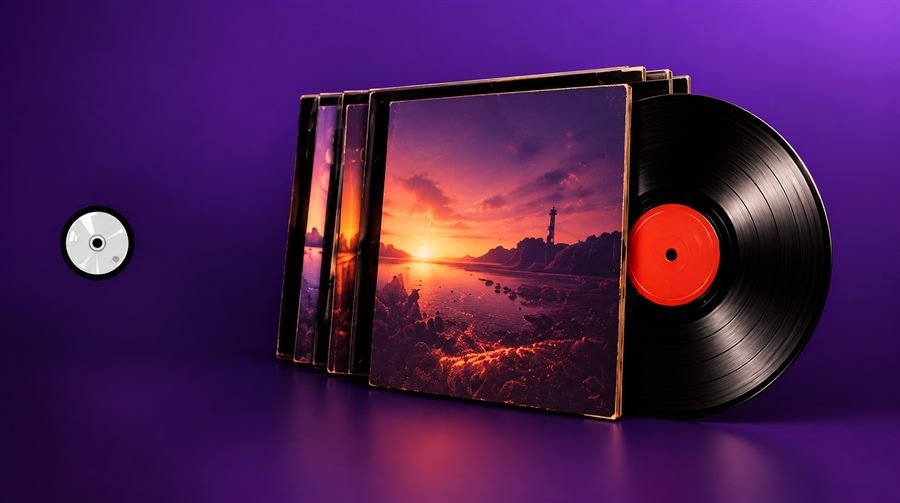
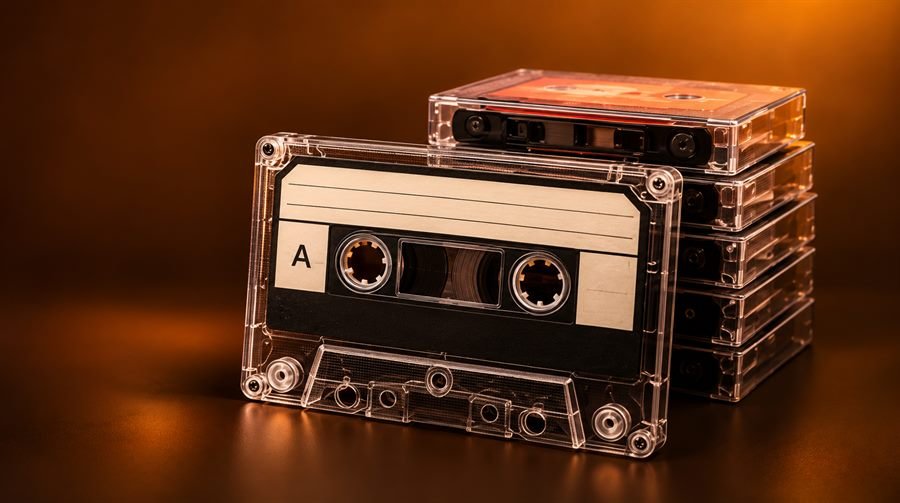
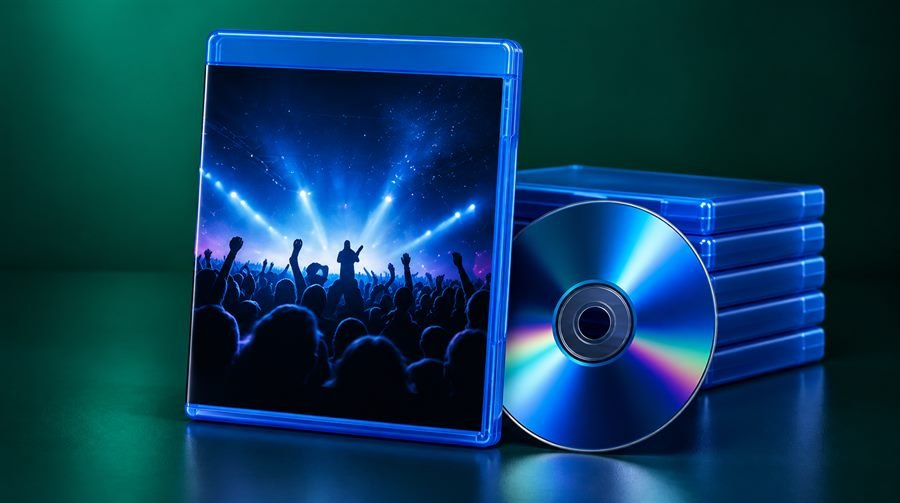

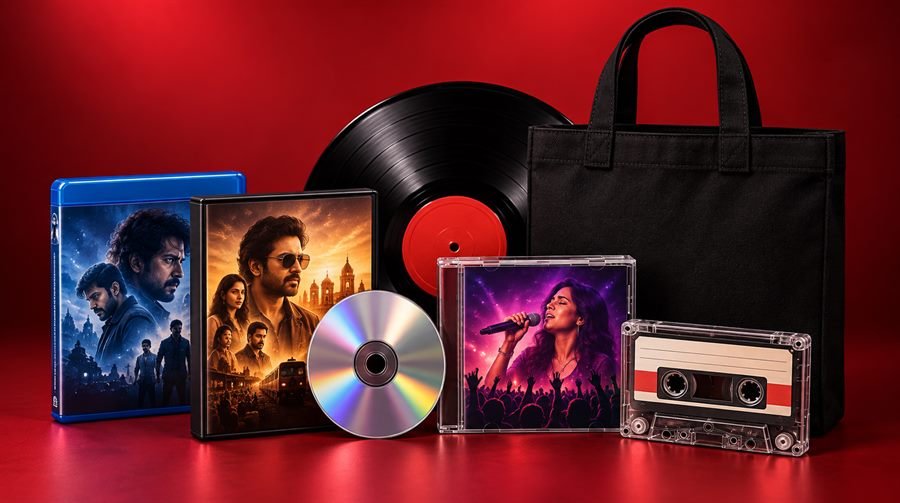
• 5 Formats Vinyl to Blu-ray
  • 100% Genuine Hand-checked stock
  • Pan-India Tracked delivery
  • Secure Checkout UPI, cards & netbanking

Discover music from the industry's leading labels

  • T-Series
  • Saregama
  • Sony Music
  • Universal Music Group
  • Tips Music
  • Zee Music Co.

🔥 Best Selling

Our most popular picks this month

View All →

✨ New Releases

Fresh arrivals just landed in our store

View All →

Upcoming

Pre-order before they're gone

Our shelf

About Velorex Music

An online record store for India, built around Hindi film music on vinyl — soundtrack LPs from R. D. Burman, Laxmikant–Pyarelal, Nadeem–Shravan, Anu Malik and A. R. Rahman, new pressings and hand-checked pre-owned copies alike.

Every listing shows its label, year and track listing, and orders ship across India with tracking.

New to collecting? Read the Velorex Journal The Evolution of Music & Audio How shipping works

Feel the music More than music Care · Preserve · Play

All Products

Wear the music. Live the vibe.

Keep the music alive. Care for what you love.

Rediscover timeless melodies. Explore our curated collection of records, CDs, cassettes and films from legendary artists and iconic films.

    • Pan-IndiaShipping
    • Original& Official
    • Music InspiredLifestyle
    • Cleaner SoundRemove dust & dirt
    • Longer LifeProtect your collection
    • Better ExperienceMusic as it should be

    Showing all products

    Product Details

    Composer

    Page not found

    The page you were looking for has moved or no longer exists.

    Better together

    Combo Offers

    Bundles we put together because they belong together — a record and the kit to keep it clean, or two timeless favourites from the same era.

    • Great ValueOne click, whole set
    • Curated SetsHandpicked combinations
    • Authentic & GenuineQuality you can trust
    Great music lives on

    Pre-owned

    Second-hand vinyl, CDs, cassettes, Blu-rays and DVDs — every copy checked and graded before it ships.

    • Quality CheckedEvery item inspected
    • Safe PackagingShips with care
    • Sustainable ChoiceMore music, less waste

    The story of music technology

    A Journey Through Music & Machines

    From the earliest recording devices to today's streaming world, discover how the machines and formats we use to experience music have evolved.

    1877 – todayThe span
    Cylinder to streamThe journey
    Sourced & citedEvery claim
    Before the playlist

    Remember When Music Felt Different?

    Before streaming, listening was an activity rather than a background condition. It had steps, and the steps were part of it.

    • You chose a record.
    • You cleaned it.
    • You placed the needle.
    • You adjusted the amplifier.
    • You pressed play on a cassette.
    • You waited for the radio.
    • You built a CD collection, one at a time.

    These machines didn't just play music. They sat in particular rooms, in particular years, and they ended up carrying the memory of whatever was happening while they played.

    Music Changes. The Memories Stay.

    Every format on this page was once the newest thing there was, and every one of them was replaced. What has not changed in a hundred and fifty years is the part underneath: the wish to hear something again, to keep it, and to play it for somebody else.

    Explore Music at Velorex
    Why newer CDs sound flat

    The Loudness War

    1990s–2000s

    Two copies of the same song can measure the same on paper and feel completely different to listen to. One of the largest reasons is a production practice that took hold with digital media and ran for roughly two decades — and it is the answer to why a remaster sometimes sounds worse than the record it replaced.

    What dynamic range is

    Dynamic range is the distance between the quietest and loudest parts of a recording. It is what makes a drum hit feel like an impact: the hit is loud relative to what surrounds it.

    Compression reduces that distance by pulling the loud parts down, after which the whole thing can be turned up. The result is a track that is louder on average while having less difference between its own parts.

    Why digital made it a competition

    Digital media have a hard ceiling. With CD there is a maximum peak level defined by the number of bits available, and nothing can exceed it. Once a master reaches that ceiling, the only way to sound louder than the next record is to raise the average level underneath the peaks — through multiband compression, peak limiting and equalisation.

    The incentive was straightforward and short-term: on a radio playlist or a shop listening post, whichever track is louder tends to be judged as sounding better, for a few seconds.

    So each release had reason to be slightly louder than the last, and the practice ratcheted. The Audio Engineering Society has published work examining exactly this — including whether louder, hypercompressed masters actually sold better.

    What it costs

    Listening fatigue is the usual complaint, and it is a real effect rather than a preference: a signal with little variation gives the ear nothing to relax against.

    The damage is also permanent in a specific way. Compression applied at the mastering stage is baked into the master; turning the volume down afterwards restores the level but not the dynamics. This is why an early pressing of an album is sometimes genuinely preferred over a later remaster of the same recording, and it is a measurable difference rather than nostalgia.

    How it ended, mostly

    Loudness normalisation is what defused it. Streaming platforms play everything back at a matched loudness target, which means a hypercompressed master no longer sounds louder than anything else — it just sounds flatter, having given up its dynamics for an advantage that is now cancelled out.

    The practice has eased as a result, though it has not disappeared, and a great many records mastered between the mid-1990s and the late 2000s still carry it.

    Did you know?

    • The ceiling is the point: digital has an absolute maximum peak, so extra loudness has to come from raising the average.
    • The Audio Engineering Society has published research asking whether louder, hypercompressed records actually sold better.
    • Mastering compression cannot be undone by turning the volume down — the dynamics are already gone from the file.
    • Streaming loudness normalisation removed the competitive advantage that drove the practice.

    Remember this?

    Putting a favourite album on after a newer CD and having to turn it up — then realising, a minute in, that the older record was the one that actually breathed.

    Sources & further reading

    Written from these sources, not copied from them. External links open in a new tab.

    From the record room

    Velorex Journal

    Notes on vinyl, Hindi film music and the records worth collecting.

    Article

    🛒 Shopping Cart

    👤 My Profile

    Order History

    🔐 Welcome Back

    Sign in to your Velorex Music account

    Don't have an account? Create one

    ✨ Create Account

    Join Velorex Music and start collecting

    Already have an account? Sign in

    🔑 Forgot Password?

    📧

    Contact our support team

    We're working on automated password reset. For now, please email us with the email address on your account and we'll help you reset your password within 24 hours.

    ✉️ Email Support

    Secure Checkout

    Velorex Music Payment Gateway

    ₹0.00

    Shipping Address

    Loading addresses…

    Clicking Pay Now opens our secure payment partner Razorpay, where you can pay via card, UPI, net banking or wallet.

    Card details are entered on Razorpay's payment page — Velorex never sees them.

    Processing Payment...

    Please do not refresh the page